If you manage a retail or commercial space in Orlando and want clear choices for rekey and emergency lockout services, this article will help. I write from years on service calls, with hands-on experience fixing sticky deadbolts and advising managers on security trade-offs. This post examines practical costs, response expectations, common pitfalls with rekeying commercial systems, and how to choose a trustworthy Orlando locksmith for 24 hour locksmith needs. After reading, you should be able to evaluate quotes, judge response promises, and decide whether rekeying or replacing is the right move.
Why rekeying is a smart move for local offices.
Promptly rekeying following staff turnover reduces the odds that an old key grants future access, which is a common vulnerability. Delaying rekeying because it looks like an avoidable cost is common, and the consequence can be lost inventory or a late-night emergency call-out. If you run a small retail chain, rekey work can be localized to a few cylinders or scaled to an entire suite depending on whether you need continuing master keying. Any competent emergency locksmith will test the existing hardware and explain whether that hardware should be rekeyed or fully replaced to meet your security goals.
What to expect when you call an emergency locksmith.
If an Orlando business calls at 2 a.m., response estimates of 15 to 45 minutes are common in metropolitan areas, but they depend on traffic and technician location. Always ask the dispatcher whether the quoted time is a guarantee or an estimate, because guaranteed rapid response often costs more. A 24 hour locksmith typically brings an array of standard cores and will perform a temporary or permanent fix on-site unless a unique or obsolete lock is present. Access control and smart locks can slow the job and increase fees because they often need diagnostics, power, or software work beyond mechanical cylinder service.
How to choose a trustworthy Orlando locksmith for commercial work.
Start by asking for local references and recent commercial job examples rather than generic endorsements. Make sure the locksmith has appropriate licensing if your municipality requires it and carries liability insurance to protect against accidental damage. Choose a provider that breaks down their fees into call-out, labor, and parts so you can compare apples-to-apples when reviewing bids. Insist on written documentation and warranty terms for parts and service so you have recourse if a cylinder fails soon after installation.
Rekeying versus full replacement - the trade-offs for businesses.
If cores are in good shape and you want to preserve the existing master-key system, rekeying is often the faster and less expensive choice. https://accesscontrolkfzt723.iamarrows.com/experienced-locksmith-near-me-for-commercial-door-lock-emergencies On the other hand, visible wear, rust, or tampering on existing hardware usually pushes the decision toward full replacement. Cost-wise, rekeying a single cylinder can run from a modest flat fee up to a couple of times the price of a simple new cylinder, depending on labor and van stock, whereas complete replacements may cost more per door but reduce maintenance over years. For properties with multiple tenants, think about how shared keys and master keys interact and whether a tenant turnover demands only suite rekeys or a broader core replacement to secure common spaces.

What the numbers mean when a locksmith gives you an estimate.
Expect a commercial locksmith quote to include a call-out fee, hourly or per-interval labor charges, and separate parts pricing for cylinders or cores. For a simple rekey during business hours, you might see a modest fixed fee plus a small parts charge per cylinder, whereas after-hours work adds a premium to both dispatch and labor. Commercial-grade cylinders cost more than home-grade hardware, and specialized restricted-key systems increase material costs substantially. Ask for a written estimate that spells out when surcharges apply, whether mileage is billed, and how many minutes of labor are included before additional charges kick in.
How a tech evaluates a commercial lock on a service call.
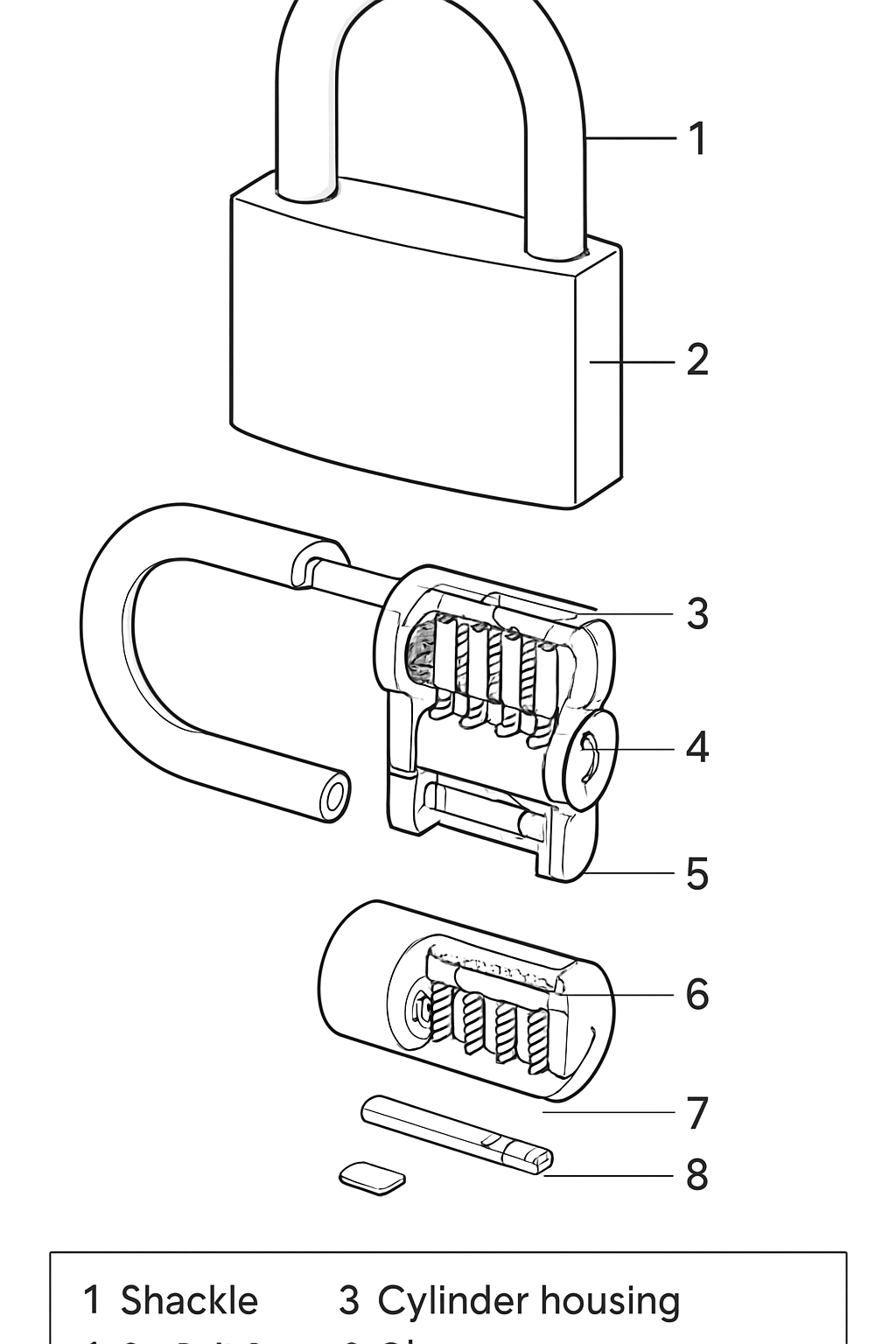
The initial check is to determine whether the door uses a mortise assembly, a standard cylinder, or an electronic strike, because the remedy depends on that. Mortise locks often need more disassembly and sometimes special parts, while cylindrical locks are quicker to service with common pin sets and replacement cores. For electronic access systems, the tech verifies power, controller compatibility, and whether credentials or factory reset procedures are required, which may extend the job. Beyond cores, a technician inspects door alignment, latch wear, and strike plate fit since misaligned hardware causes recurring failures that rekeying will not solve.
Real incidents that show why planning matters.
A typical late-night story involved an owner using the wrong blank and damaging the cylinder, which meant we had to replace parts and extend the call-out time. In another case, a property manager delayed rekeying after a tenant left, and a maintenance worker still had an old key that granted access for weeks until an inventory problem surfaced. From fieldwork it became clear that timely rekeying prevents complicated failures and keeps insurance and liability concerns from escalating. If you run a business, document who has keys and schedule rekeys as part of employee offboarding or lease turnovers to avoid last-minute scrambling.
Upgrading locks to reduce unauthorized duplication.
Patented restricted key systems limit duplication because only approved locksmiths can produce copies, which is valuable for locations with valuable inventory or sensitive data. These systems cost more and require a longer-term view because cores and key control come with paperwork and inventory tracking obligations. Upgrading to high-security cylinders improves resistance to picking and forced entry, making them attractive for businesses that handle cash, medicine, or sensitive records. A local Orlando locksmith can show you compatible options and help evaluate whether the incremental benefit justifies the cost in your specific location and industry.
Preparing your team for lock events and making smart vendor relationships.
Designate one person to control key distribution and keep an updated list of key holders so you can act quickly when rekeys or lockouts occur. Establish a standing relationship with one local locksmith instead of calling different services each time, because repeat vendors learn your building and speed up service. Teach employees how to secure keys and follow lockout procedures because weak operational practices are a frequent cause of security lapses rather than mechanical issues. Insist on written records for master key changes and core replacements to preserve audit trails and simplify insurance claims if needed.
Final decision checklist before you call a 24 hour locksmith Orlando.
Confirm whether the issue is purely mechanical or involves electronic access, because that affects time and cost estimates. Request a written estimate that separates dispatch fees, labor increments, parts, and any after-hours surcharges so you avoid surprises. Verify warranty coverage, proof of licensing and insurance, and the availability of service documentation before work begins. For frequent rekeys consider negotiating scheduled rates or a maintenance plan to stabilize costs and secure priority response.
Use the guidance here to choose a local, transparent locksmith that understands commercial rekeying and delivers dependable 24 hour locksmith service in Orlando. A practical strategy reduces expense and operational interruption when emergencies or rekeys arise. Call a vetted technician, document the work, and treat key control as an operational priority so your business stays secure and your team can focus on running the place.